


GBW Stories
Through training, market access and entrepreneurship support, women-led enterprises in coastal Mozambique are turning sustainable marine resources into thriving businesses while helping to safeguard the future of the ocean. Written by Audrey Masitsa and Cheila Naiene
“Our business depends heavily on fishing,” says Maria José, a fish processor and advisor of the Associacao das Empreendedoras de Inhassoro. “It is our main source of income.”
In Inhambane Province, Mozambique, as in many coastal communities across the Western Indian Ocean, local communities depend on the blue economy for their livelihoods. Fishing, fish processing and other marine-based activities provide income, sustain cultural traditions and help shape community identity. However, climate change, extreme weather events and environmental degradation continue to threaten these important sources of income.
Women, in particular, are disproportionately affected by these challenges. Gender inequalities and social norms often limit their participation in decision-making processes, resource management and higher-value blue economy activities. Many women have had limited access to training on the sustainable use of marine resources and face challenges adapting to conservation measures that are essential for protecting marine and coastal ecosystems but may affect traditional livelihood activities.
“We suffer greatly during storms or cyclones, particularly women and children,” says Assucena Maurício, President of the Kurula Group (Chibo).
“In recent years, we have been affected by rising temperatures, cyclones and coastal erosion. Many houses in our coastal communities are collapsing as a result. The seasons have changed, and we no longer know the right time of year to find fish in the sea,” explains Maria José. “These changes have greatly affected the business. Nowadays, fish are no longer abundant; there is a serious shortage.”
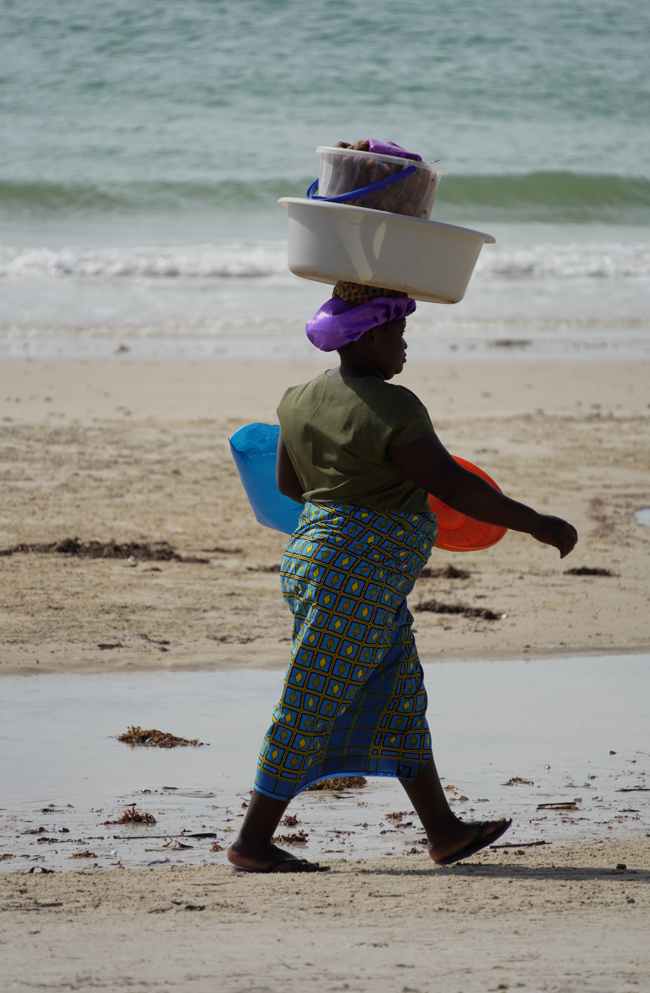
Gender inequalities and social norms often limit women’s participation in decision-making processes, resource management and higher-value blue economy activities. (Photo Credit: Audrey Masitsa for ReSea Project)
Furthermore, they face challenges navigating conservation regulations that, while essential for protecting marine and coastal ecosystems, can affect their access to traditional livelihood opportunities, including fishing and marine resource collection.
Yet despite these obstacles, women across coastal Mozambique are proving that when given the right support and opportunities, they can become powerful drivers of both economic resilience and environmental stewardship.
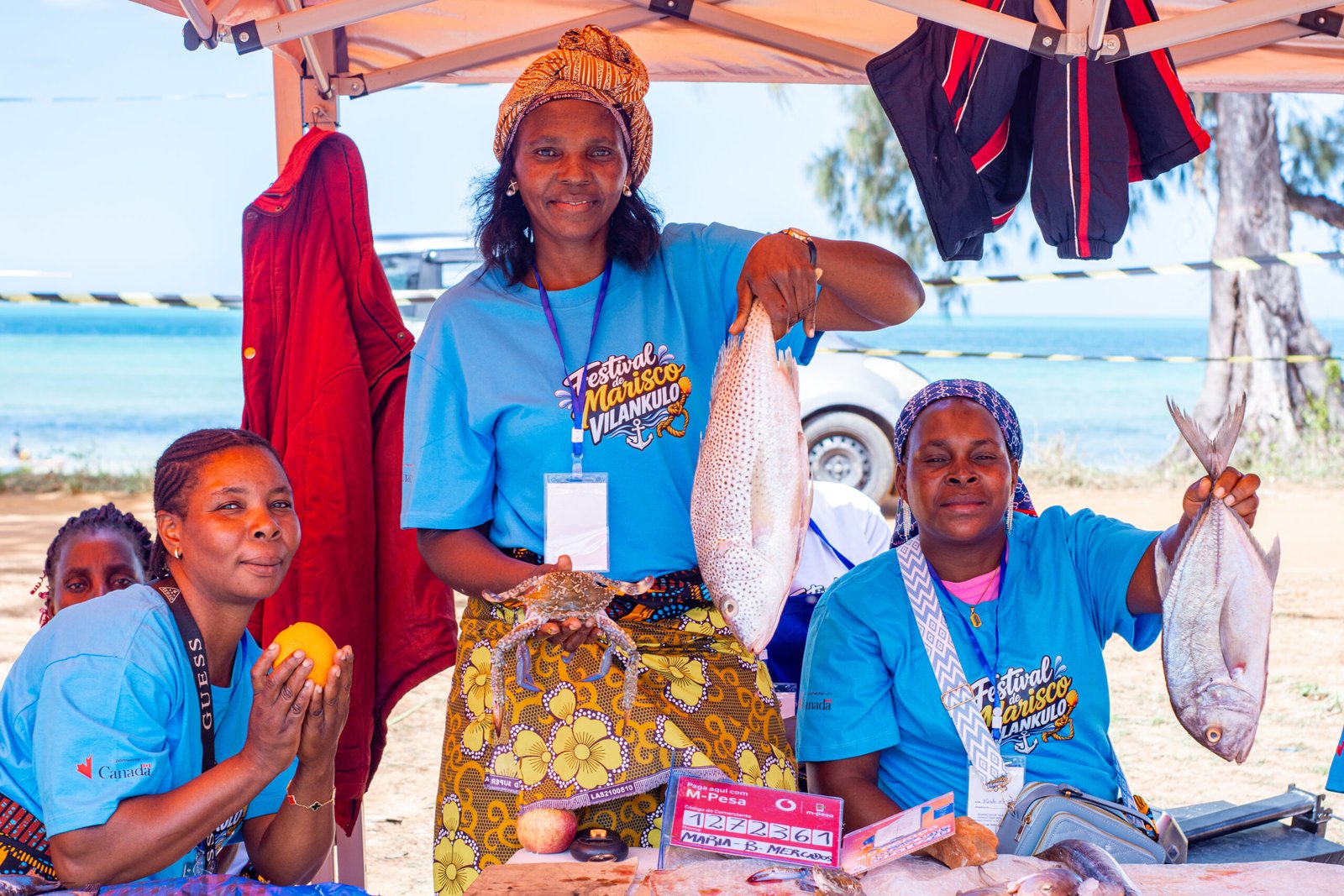
Women across coastal Mozambique are proving that when given the right support and opportunities, they can become powerful drivers of both economic resilience and environmental stewardship. (Photo Credit: ReSea Project)
Investing in women-led enterprises
Recognising the need to increase women’s participation in the blue economy, the ReSea Project’s Blue Economy Incubation Programme has supported 11 women-led blue economy groups to strengthen their businesses and build their resilience.
Through the programme, participants received entrepreneurship and business training, technical skills development, mentorship and coaching, support with production and packaging equipment, market linkages, governance support and soft-skills development. Together, these interventions have helped women entrepreneurs improve their products, expand their business knowledge and prepare for new market opportunities.
Bringing businesses to the marketplace
Most recently, project partners Mission inclusion, IUCN and MULEIDE, with support from Global Affairs Canada and the Vilankulo District Government, organised the Vilankulo Seafood and Cultural Festival. The event provided nine project-supported groups with an opportunity to engage directly with investors, coastal communities and other blue economy stakeholders. Its aim was to foster sustainable business opportunities, socio-economic inclusion and innovation within the marine and coastal sector.
For the BEE groups, the festival was more than a marketplace. It was an opportunity to put newly acquired skills into practice, test new markets, build business networks and demonstrate the progress they had made through the incubation programme. During the event, the groups showcased their products while sharing the knowledge and skills they had gained through the project. Women made sales, established new contacts and gained confidence in the value of what they had built.
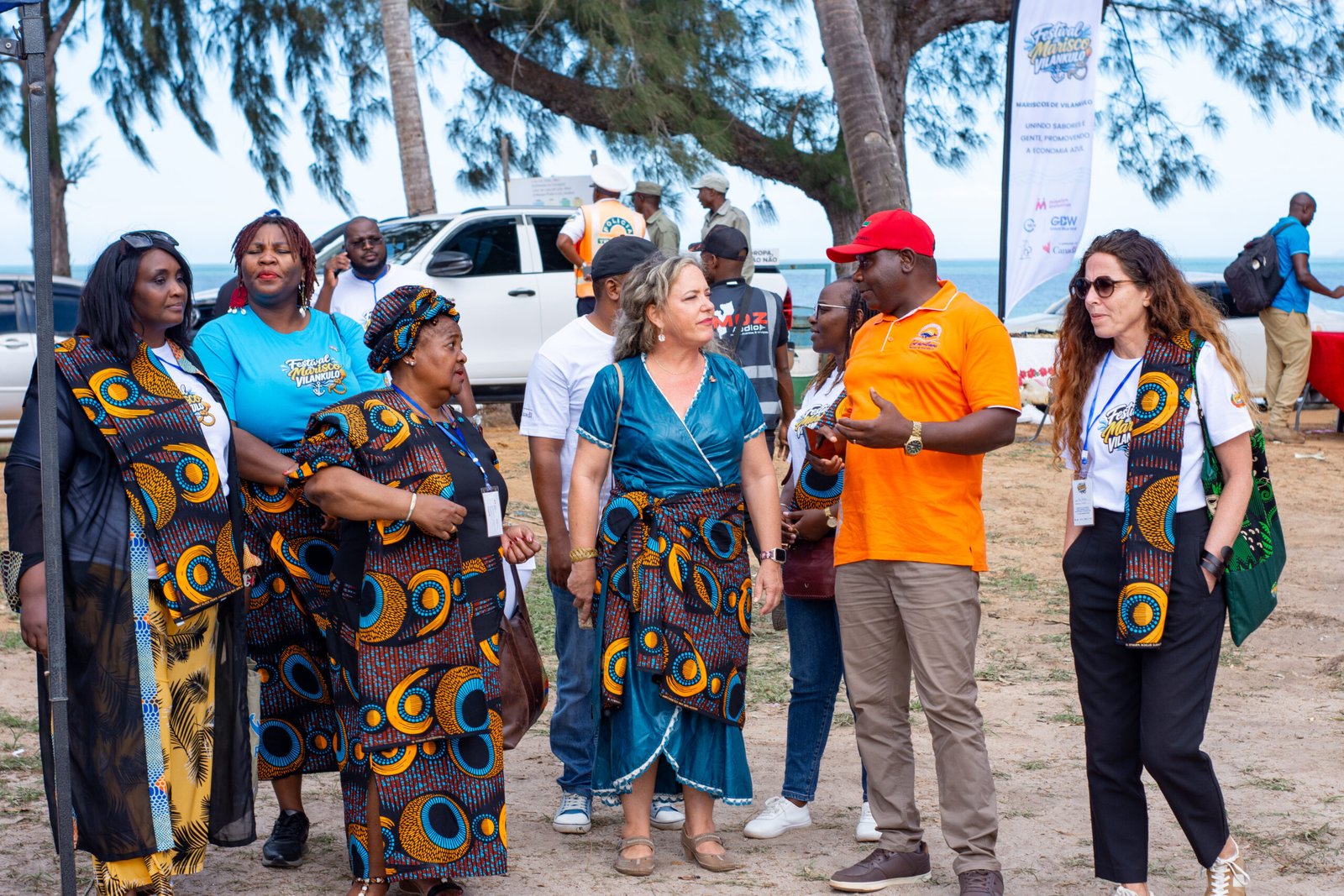
Pascale Thivierge, Head of Cooperation at the High Commission of Canada to Mozambique noted that the event demonstrated how investments in the blue economy can create real opportunities for communities and strengthen women’s businesses, incomes and roles within the value chain. (Photo Credit: ReSea Project)
Confidence, connections and new possibilities
“This fair showed us that our work has value and that our products can reach many more people,” said Assucena. “We had the opportunity to make sales, build new contacts, and, above all, demonstrate that we, the women of the Kurula Group, can contribute to our community’s growth through the blue economy.
“We leave here more motivated to keep working and growing,” she said.
For Perpetua Angima, ReSea Chief of Party at Mission inclusion, the event was about much more than showcasing products.
“It provides a platform for entrepreneurs to connect with markets and investors,” she said. “It is also an opportunity to exchange knowledge and build partnerships that can help enterprises grow. This is the marketplace of possibilities for what can be achieved next.”
Turning investment into impact
Project partners also recognised the festival as an example of how targeted investment can translate into meaningful change for coastal communities.
“It is particularly important to see women showcasing and marketing their products,” said Pascale Thivierge, Head of Cooperation at the High Commission of Canada to Mozambique. She noted that the event demonstrated how investments in the blue economy can create real opportunities for communities and strengthen women’s businesses, incomes and roles within the value chain.
By bringing together the Blue Economy Fair and Seafood Festival, the event gave ReSea-supported enterprises a prominent place in a wider community celebration attended by government representatives and development partners.
“A regenerative Blue Economy is critical for a sustainable future,” said Tara Pelembe, Manager of the Coastal and Ocean Resilience Programme at IUCN Mozambique. “The Fair was an important demonstration of how this can happen in practice.”
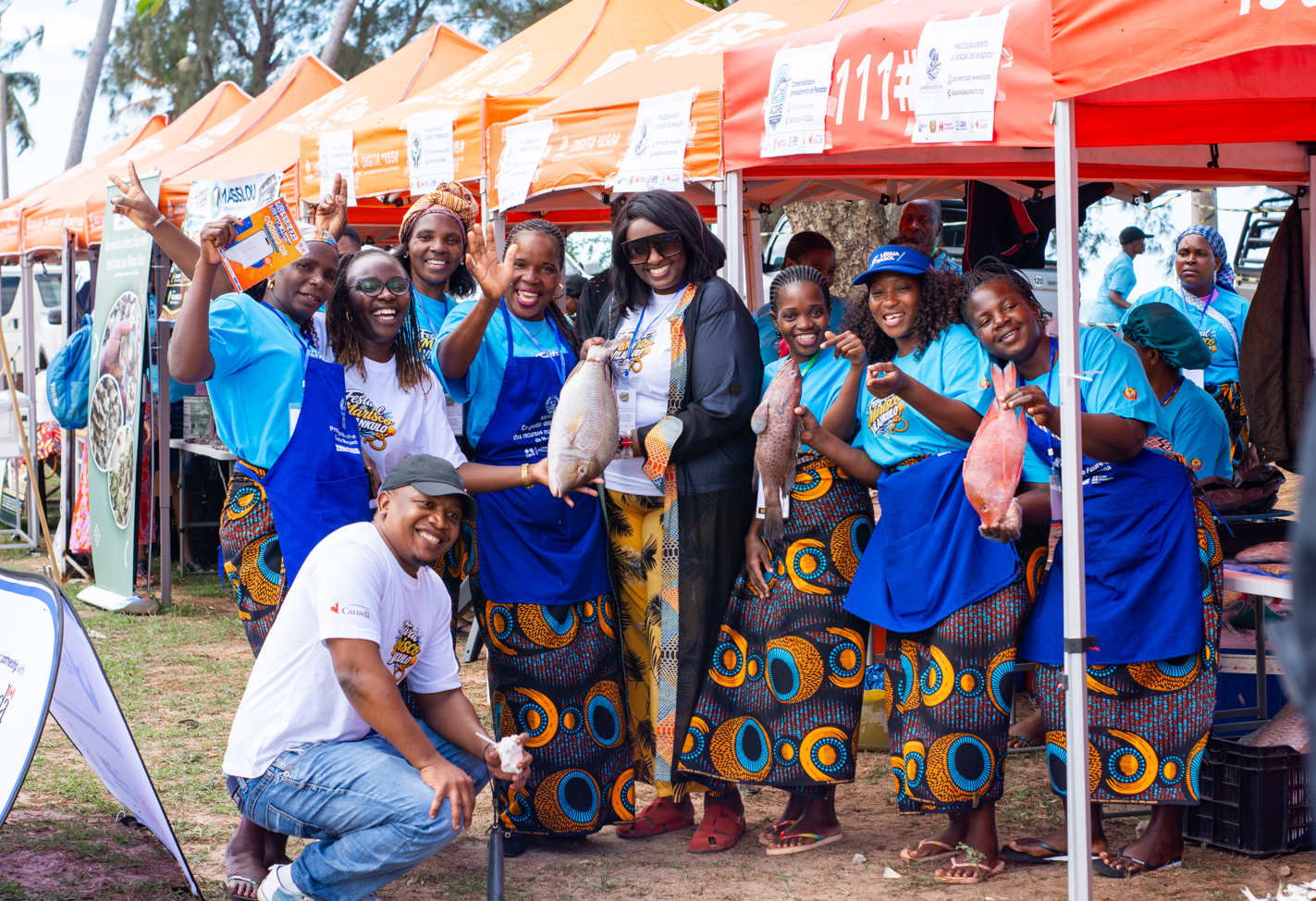
The ReSea Project’s Blue Economy Incubation Programme has supported 11 women-led blue economy groups to strengthen their businesses and build their resilience. (Photo Credit: ReSea Project)
Building a regenerative future for the ocean
For Rafa Valente, Executive Director of MULEIDE, the future of the blue economy depends on balancing livelihoods with care for the ocean.
“The blue economy is not just about extracting resources,” she said. “It is about protecting, innovating and prospering while creating businesses that respect the environment, support coastal communities and help ensure future generations inherit a healthy ocean. Each project presented is proof that the future of the blue economy in Mozambique has already begun. And it is being built by people like you.”
Women leading the way
As the festival drew to a close, the women left with more than new business contacts. They left with greater confidence, stronger networks and a clearer vision of what their enterprises could become.
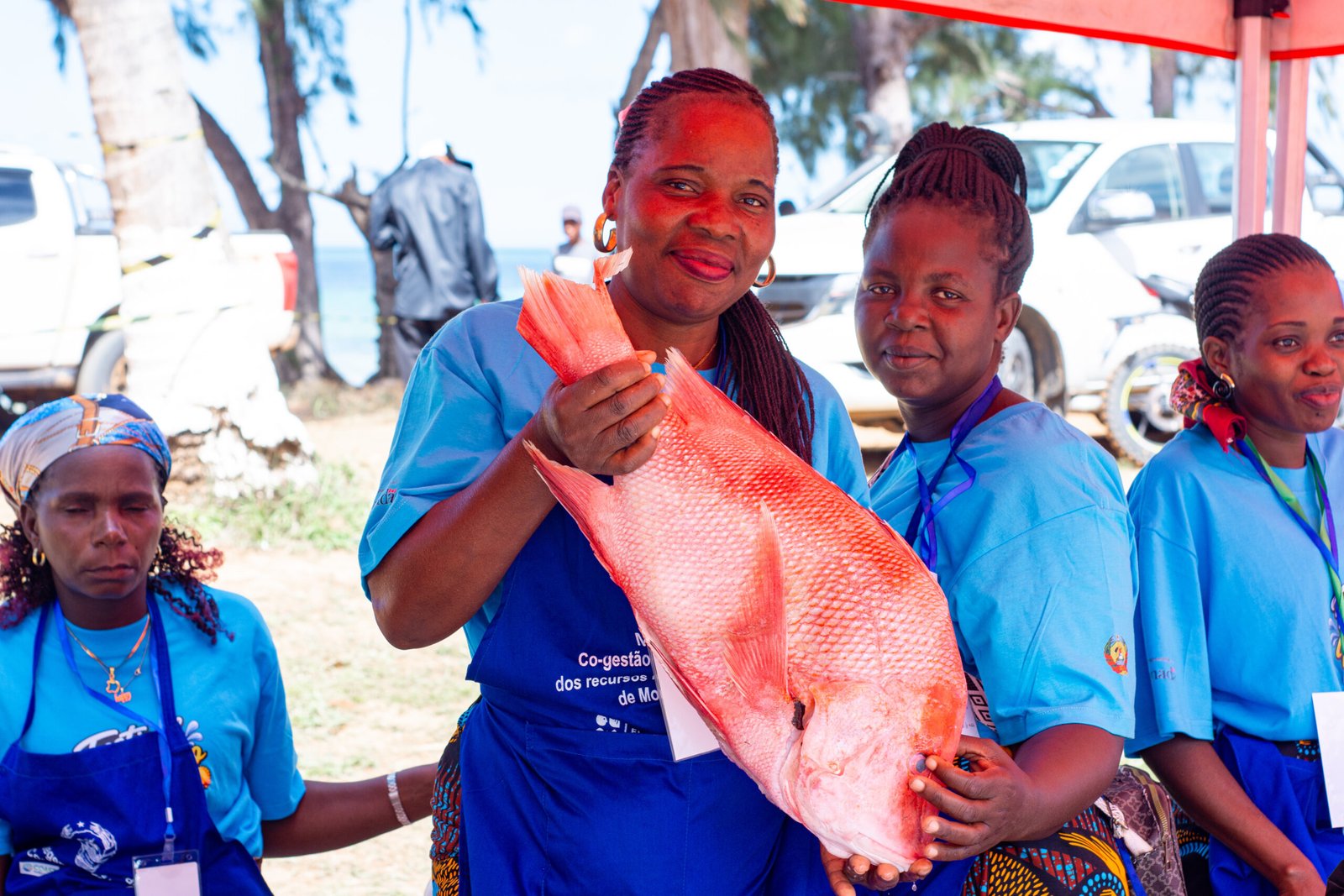
Assucena, President of the Kurula Group said that the Festival was a demonstrate that the group can contribute to the community’s growth through the blue economy. (Photo Credit: ReSea Project)
Their journey is a reminder that when coastal communities, particularly women, are equipped with the tools and opportunities to succeed, they can become powerful drivers of economic resilience and sustainable ocean stewardship. By supporting women-led enterprises built on the sustainable use of marine resources, the ReSea Project is helping show how economic empowerment and conservation can go hand in hand.
As Mozambique continues to advance its blue economy ambitions, these women-led enterprises are helping to demonstrate what an inclusive, resilient and regenerative future can look like.
…………………………………………………………………………………………………………………………………………………
The ReSea Project is implemented by Mission inclusion and IUCN, in collaboration with local partners, with financial support from Global Affairs Canada.
Elemmentor Box
Great Blue Wall
The Great Blue Wall (GBW) is an African-led movement to protect and restore one of the planet’s most vital ocean regions while empowering the people who depend on it. Spanning ten nations, the GBW connects mangroves, coral reefs, and seagrasses into a living wall of hope and resilience.
Recent Posts
ReSea strengthens digital communication for three national networks in Comoros
WIO LMMA Alliance Booklet
WIO LMMA Alliance Call to Action
Categories