

Knowledge & Science
From 2021–2025, GBW has put science and knowledge at the heart of marine restoration. Mangroves, seagrasses, and coral reefs, the backbone of biodiversity, livelihoods, and climate resilience, are now better understood and protected.
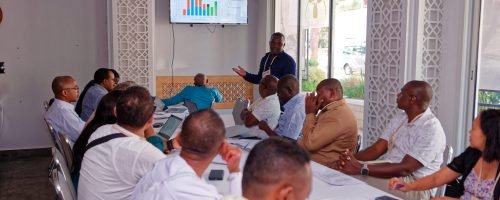
Collaboration & Capacity Building
Over 150 practitioners, policymakers, and community leaders trained in nature-based solutions. Regional networks like WIOMN and WIOMSA foster cross-border knowledge exchange, while the first-ever WIO Red List of Ecosystems guides restoration priorities.
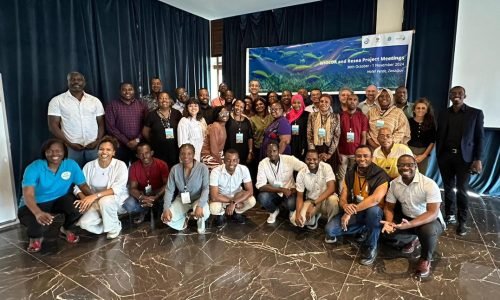
Restoration & Governance
160 hectares of mangroves restored, 70 under rehabilitation. Coral reef pilots in Kenya and Seychelles testing innovative techniques. NbS integrated into national policies, climate adaptation, and protected area management creating regenerative seascapes across the region.
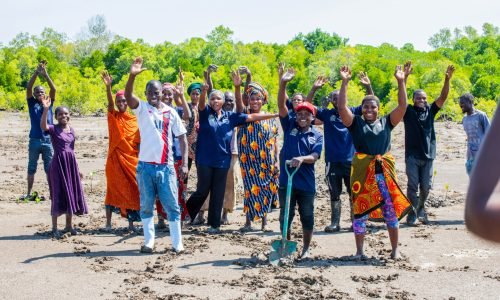
Finance & Scaling Blue Futures
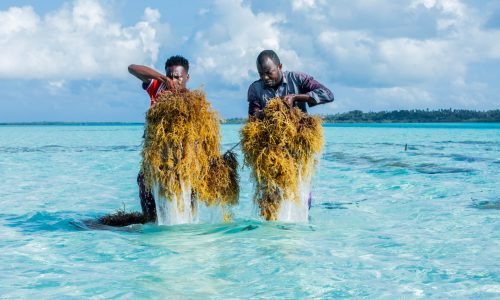
Projects like CRCC in Mozambique show restoration + climate finance = measurable social, ecological, and economic benefits. Community seagrass micro-grants launched, linking restoration to sustainable blue economy opportunities. Global partnerships provide lessons for scaling impact.
Impact at a Glance
A total of 175,780 hectares of coastal and marine ecosystems has been restored or committed for restoration across Great Blue Wall countries (2021–2025), covering mangroves, seagrass meadows, coral reefs, and coastal dune systems.
Restoration frameworks are now active across all five GBW seascapes, anchoring large-scale ecosystem recovery and blue carbon gains, and contributing toward the 2,000,000-ha restoration target by 2030.