

Building Ocean Governance from the Ground Up
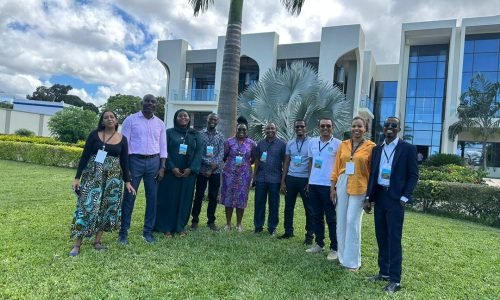
For decades, ocean governance across the Western Indian Ocean was top-down—detached from the lives and wisdom of small-scale fishers and coastal communities. The Great Blue Wall (GBW) is changing that narrative.
In the Tanga–Pemba Seascape (Tanzania) and Quirimbas Seascape (Mozambique), communities are now co-designing how their waters are managed. These regenerative seascapes blend conservation with sustainable use, ensuring ocean management reflects the realities and rights of those who depend on it.
Through the Locally Empowered Area Protection (LEAP) project, GBW has supported the review of Tanzania’s national fisheries regulations (2009) embedding co-management and community consultation into national policy. It’s a model of what inclusive ocean diplomacy looks like when driven from the shoreline upward.
Justice and Democracy in Action
Across the region, a quiet revolution is unfolding. Communities are reclaiming their voice, drawing on traditional knowledge, local priorities, and deep cultural ties to the sea. From fishers and elders to youth and women, conservation is becoming a collective act of democracy.
Women are emerging as ocean leaders—heading Beach Management Units, leading restoration, and reshaping livelihoods through sustainable innovation. Youth are harnessing science, indigenous knowledge, and storytelling to bridge generations of stewardship.
These are not just conservation stories; they are stories of equity, identity, and shared governance.
From Communities to Policy Tables
Grassroots leadership is now shaping formal systems of governance. In Kenya, National and County Mangrove Committees now include local community representatives, institutionalizing co-management within government structures.
Meanwhile, local councils across the WIO are allocating budget lines for restoration and monitoring, signaling a shift toward policies that value ecosystem health as a foundation for community well-being and economic stability.
Initial Assessment
Prescription Issuance
Basic Physical Examination
Diagnostic Test Recommendations
Medical Advice & Recommendations
Health Record Documentation
Building Ocean Governance from the Ground Up
For decades, ocean governance across the Western Indian Ocean was top-down—detached from the lives and wisdom of small-scale fishers and coastal communities. The Great Blue Wall (GBW) is changing that narrative.
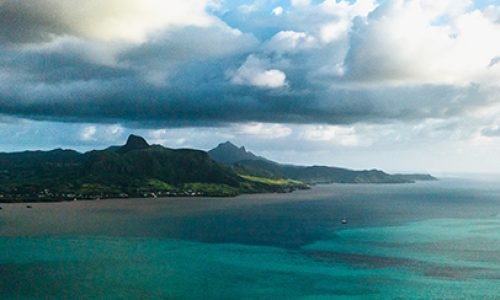
In the Tanga–Pemba Seascape (Tanzania) and Quirimbas Seascape (Mozambique), communities are now co-designing how their waters are managed. These regenerative seascapes blend conservation with sustainable use, ensuring ocean management reflects the realities and rights of those who depend on it.
Through the Locally Empowered Area Protection (LEAP) project, GBW has supported the review of Tanzania’s national fisheries regulations (2009) embedding co-management and community consultation into national policy. It’s a model of what inclusive ocean diplomacy looks like when driven from the shoreline upward.
Justice and Democracy in Action
Across the region, a quiet revolution is unfolding. Communities are reclaiming their voice, drawing on traditional knowledge, local priorities, and deep cultural ties to the sea. From fishers and elders to youth and women, conservation is becoming a collective act of democracy.
Women are emerging as ocean leaders—heading Beach Management Units, leading restoration, and reshaping livelihoods through sustainable innovation. Youth are harnessing science, indigenous knowledge, and storytelling to bridge generations of stewardship.
These are not just conservation stories; they are stories of equity, identity, and shared governance.
From Communities to Policy Tables
Grassroots leadership is now shaping formal systems of governance. In Kenya, National and County Mangrove Committees now include local community representatives, institutionalizing co-management within government structures.
Meanwhile, local councils across the WIO are allocating budget lines for restoration and monitoring, signaling a shift toward policies that value ecosystem health as a foundation for community well-being and economic stability.
The Power of Collective Stewardship
The GBW is nurturing a movement, not just projects. Across seascapes, nations, and communities, a shared commitment is emerging—to govern the ocean with justice, inclusion, and purpose.
This is what ocean democracy looks like: people and policy moving in harmony to restore the blue planet we all share.